Commercial hygiene experts located in Brampton ensure restaurants, food distribution facilities, bakeries, warehouses, and mobile food units in compliance. They disinfect frequently handled areas, food-contact areas, equipment, floors, drains, restrooms, and preparation zones using approved sanitizers, at proper strength, and with verified times.
Main Points
- Sanitation professionals from Brampton service restaurants, grocery departments, commissaries, warehouses, bakeries, schools, mobile vendors, and allergen-sensitive operations.
- Frequently contacted areas, food-contact equipment, kitchens, floors, drains, restrooms, and storage areas are cleaned using area-specific procedures to eliminate cross-contamination.
- Checking of proper chemical concentration, appropriateness, and exposure duration is completed by trained specialists, with conclusion logged using samples, reviews, and remedial documentation.
- Cleaning schedules need to comply with danger, production volume, transitions, releases, and requirements, with daily, weekly, and annual activities distributed by area.
- Focus on providers exhibiting HACCP, public-health understanding, safety training training, insurance, endorsements, colour-coded instruments, and compliance-ready sanitation records.
Which Brampton Operations Need Food Safety Cleaning?
Brampton venues that handle, store, prepare, package, or serve food require hygiene cleaning. Implement it if your business is regulated by health department oversight, food standards, or HACCP systems. The rule covers dining establishments, employee cafes, food distributors, market sections, meat shops, fish counters, local shops, and commercial kitchens.
Compliant food safety cleaning remains needed in distribution centers, manufacturing facilities, cold storage areas, bakery retailers, educational meal programs, banquet venues, and meal delivery services. Seasonal and mobile businesses are included, such as mobile kitchens, market vendors, and seasonal booths. Your location needs recorded sanitation procedures whenever your staff prepare supplies, portion finished foods, reheat dishes, or organize allergen inventory. In Brampton, sanitation stays optional; it constitutes legal, operational, and consumer protection compliance.
What Do Brampton Cleaning Professionals Handle?
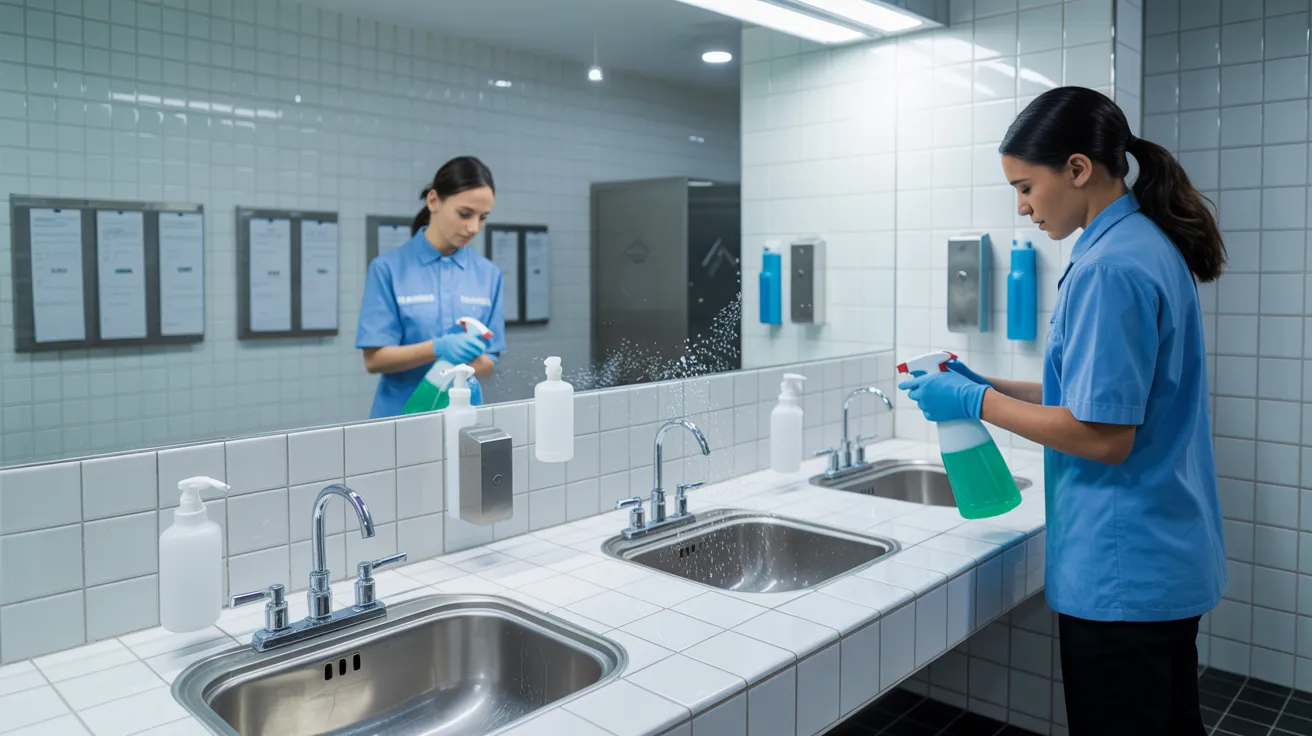
You need cleaning experts who sanitize high-touch surfaces, kitchens, floor surfaces, and bathrooms to comply with food safety and health regulations. They focus on these spaces because they pose the greatest danger for cross-contamination, slip hazards, and sanitation breaches.
When you know their cleaning scope, you can verify that your facility's cleaning scope meets operational and regulatory requirements.
High-Touch Surface Disinfection
implement a disinfection frequency
via replacing wipes, following sequential systems, and separating cleaning materials organized by zone
Kitchen Areas, Floor Surfaces, and Bathroom Spaces
Professional cleaners in Brampton prioritize kitchens, floors, and restrooms given that each location involves distinct food safety, slip-and-fall, and public health requirements. In industrial kitchens, you need degreasing on cook lines, equipment exteriors, drains, prep surfaces, and splash zones to minimize bacterial growth and pest activity.
Professional floor upkeep with documentation is also included. is likewise provided as part of the service.
Restroom cleaning involves sanitizing touchpoints, fixtures, partitions, dispensers, and waste containers, replenishing amenities and managing odor. They also maintain restaurant cleaning supply rooms where product storage, sink cleanliness, and drain systems impact daily sanitation standards and worker protection.
Why Food Safety Cleaning Matters in Brampton
Brampton facilities demand food-safe cleaning standards to fulfill compliance obligations and pass inspections. You also minimize bacterial spread through proper cleaning of food-preparation surfaces, appliances, and frequently-touched items. Most importantly, you safeguard public health by lowering the risk of foodborne illness in your facility.
Sanitary Standards Adherence
Since Brampton food companies must follow mandatory safety protocols, your cleaning procedures directly influences your ability to meet health codes, ensure the safety of diners, and eliminate regulatory penalties. You must maintain hygienic food handling zones, verifiable cleaning logs, proper chemical use, and auditable operational standards that meet municipal and provincial inspection expectations.
Should your cleaning standards weaken, you risk citations, corrective orders, public perception issues, and potential service disruption during follow-up inspections or regulatory reviews.
Cross-Contamination Avoidance
Maintaining regulatory compliance copyrights on your power to stop cross-contamination during everyday food preparation and sanitation. You must separate raw ingredients from ready-to-eat foods, sterilize work zones between assignments, and store chemicals away from food-contact items. Clear procedures reduce transfer risks and support consistent compliance during inspections.
Implementing allergen segregation helps keep priority allergens from contacting communal work zones, bins, or devices. Deploy dedicated cutting boards, color-coded tools, and clear tool marking so workers don't combine products while preparing or distributing. Enforce hand hygiene following raw meat, seafood, eggs, or allergen-containing products. Replace wiping cloths regularly, and verify sanitizer strength with test strips. When your team learns these guidelines every shift, you establish a more hygienic, safer workplace that satisfies Brampton's food safety needs daily.
Community Health Protection
When food safety cleaning deteriorate, you don't only risk a failed inspection—you raise the likelihood of foodborne illness affecting customers, staff, and the larger Brampton community. You also undermine your responsibility in protecting public health, especially in high-traffic food premises where contamination can spread quickly through surfaces, equipment, and touchpoints.
You require cleaning procedures that eliminate soils, disinfect correctly, and verify outcomes. This involves adhering to exposure times, utilizing approved disinfectants, logging schedules, and instructing staff to meet regulatory standards. These mechanisms support pathogen reduction by decreasing microbes before reaching food or hands. Across Brampton, strong cleaning safeguards vulnerable groups, limits outbreak risk, and demonstrates accountability. When you maintain proper protocols, you exceed regulations—you substantially lower hazards and enable safer food service throughout the area.
How Does Cleaning Support Food Safety Compliance?
Adopting strict sanitation practices solidifies food safety compliance by minimizing contamination hazards, limiting pathogen development, and maintaining your facility's adherence to sanitation requirements under HACCP-based programs and public health regulations. You confirm that product-contact areas remain visibly clean and microbiologically controlled, facilitating documented preventive controls and inspection readiness.
Effective cleaning also improves allergen mitigation by removing residues that can trigger undeclared allergen exposure. by extracting residues that can trigger undeclared allergen exposure.
When Should You Plan Commercial Cleaning?
cleaning routines or between work periods wherever food contact surfaces, restrooms, and frequently touched surfaces
shutdowns, seasonal-related soil accumulation, or pest pressure periods.
What Should You Look For in Brampton Cleaning Experts?
Begin by evaluating providers based on food-safe sanitation requirements—not solely on budget. You should confirm that each organization comprehends CFIA, public health, and HACCP-based requirements applicable to your facility. Request insurance certificates, WHMIS compliance, staff training documentation, and oversight procedures. Assess whether technicians recognize cross-contamination hazards, chemical handling protocols, and verifiable sanitation records.
Additionally, you need to evaluate service dependability and responsibility. Obtain references from Brampton food operations, then review service speed, corrective measures, and communication standards. Verify the company conducts supplier reviews and can deliver compliance-ready records when inspectors or external parties need proof. Verify equipment is maintained, color-coded equipment are applied correctly, and location-specific dangers are identified. A capable service ensures compliance, product quality, and your brand reputation.
What's included in a Food Safety Cleaning Plan?
Create a documented strategy that makes clear every sanitation task, standard, and responsibility prior to production start. You should detail cleaning schedules, authorized chemicals, concentration levels, contact duration, implements, and validation techniques for each location, surface, and apparatus. Include pre-operational inspections, corrective actions, and employee training requirements.
Your plan should also address cross-contamination controls, waste handling, pest-prevention measures, and documented schedules for restrooms, drains, floors, and food-contact areas. Describe how you'll separate raw and ready-to-eat processes, support ingredient tracking, and ensure accurate allergen labeling through validated cleaning between product changes. You should assign accountability, keep signed records, and assess results against regulatory standards, HACCP controls, and customer requirements. When gaps appear, modify procedures immediately and instruct staff.
Popular Asked Questions
Can cleaning services support overnight shifts in Brampton properties?
Yes, you can arrange cleaning services to accommodate nighttime operations in Brampton facilities. You'll organize overnight sanitation around operational windows, security protocols, and staffing levels. Services typically establish overnight logistics to reduce interruption, maintain standards, and record finished tasks. You should confirm arrival schedules, supervision, lockout protocols, and waste management before starting service.
Do Brampton cleaning experts offer hazard containment services?
Yes, you can find many Brampton cleaning professionals offering spill containment services. They handle contamination, assess dangers, contain affected areas, and execute rapid cleanup to minimize risk and prevent disruption. You should verify response times, training credentials, protocols, and disposal methods. If your facility needs compliance, pick a provider that documents incidents, follows procedures, and ensures verification.
Will green disinfectants disinfect safely food-contact surfaces?
Absolutely, natural disinfectants can be safe for food-contact surfaces when you pick solutions certified for food use and complying with regulations. You must validate application timing, mixing proportions, and rinsing needs ahead of deployment. Botanical formulations decrease harsh chemical exposure, though you must obtain evidence of effectiveness against relevant pathogens. For ensuring residue-free conditions, implement manufacturer directions precisely and verify the sanitizer complies with applicable food industry sanitation standards.
Can cleaning plans be customized for seasonal production changes?
Without question, sanitation programs adjust easily for seasonal production changes. Adjust intervals, personnel, sanitizers, and validation steps to correspond to production rhythms while preserving regulatory requirements. Minimize production downtime by timing cleaning during equipment transitions, peak volumes, and usage patterns. Further modify procedural documents, employee training, and environmental monitoring to account for transient threats, novel allergens, or increased soiling. Consistent reviews keep your schedule effective.
Do commercial cleaning providers coach your team in sanitation best practices?
Absolutely, professional cleaning companies regularly deliver employee education on hygiene standards. Your staff gets instruction on proper chemical use, dwell times, cross-contamination prevention, equipment disassembly, and paperwork. They typically align instruction with HACCP, GMP, and CFIA or regional health authority standards. Many also perform sanitation audits to verify compliance, identify gaps, and reinforce corrective actions. This enables you to sustain uniform standards, clear audits, and reduce food safety risks consistently.
Closing Remarks
Through working with Brampton commercial cleaning and food safety specialists, you accomplish much beyond organizing—you ensure your facility for inspections and your procedures meet requirements. From kitchen spaces to processing areas, all clean areas and kept corners help prevent pest problems and prevent significant costs. Through booking service on suitable timelines and adhering to a comprehensive cleaning program, you ensure protection for employees, clients, and your standing. Within strict regulatory frameworks, clean comprehensive resource conditions cannot be considered optional—they are fundamental to success.